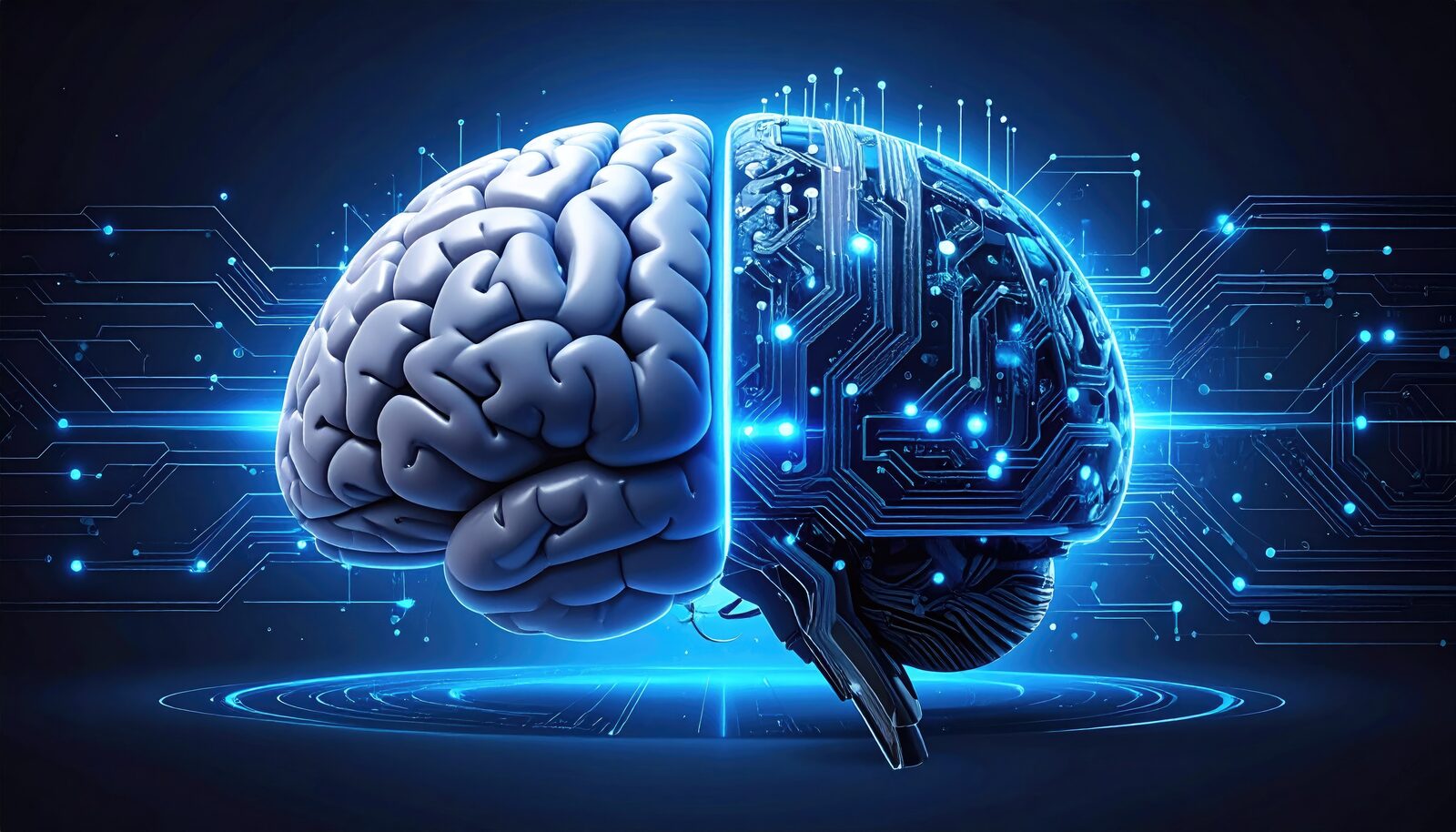
Di chi è questo pensiero? L'igiene cognitiva nell'era delle menti ibride
Quando deleghiamo a una macchina che interpreta, propone e corregge, qualcosa cambia nella proprietà del nostro pensiero. Né astinenza né resa: serve una terza via, fatta di gesti brevi e ripetuti.
PM
Di Pierpaolo Marturano17 giugno 2026 · 4 min di lettura · Aggiornato il 19 giugno 2026
Cooperazione cognitiva tra mente umana e intelligenza artificiale
C'è un momento, ormai comune, in cui ci si accorge di non saper più scrivere una mail difficile senza aprire prima una finestra di chat con un'intelligenza artificiale. La bozza che la macchina restituisce è buona, educata, un po' anonima — e lascia una domanda scomoda: di chi è questo pensiero? Non è nostalgia: è la domanda strutturale dell'era delle menti ibride, sistemi cognitivi misti in cui umano e macchina si intrecciano al punto che il confine tra i due pensieri diventa difficile da tracciare.
La domanda non riguarda solo la mail. Riguarda l'autorialità di ciò che produciamo quando non siamo più soli davanti al foglio bianco, ma sempre accompagnati da un interlocutore che interpreta, propone e corregge. È una condizione nuova non perché deleghiamo — abbiamo sempre delegato — ma perché deleghiamo a qualcosa che sembra pensare con noi, anziché limitarsi a custodire o eseguire.
Le tre soglie della delega
Delegare alla tecnologia non è una novità: lo facciamo dall'invenzione della scrittura. Ma c'è una differenza di grado che diventa di natura. La delega cognitiva attraversa tre soglie: archiviare (memoria esterna, passiva), elaborare (un calcolo fisso, come una calcolatrice) e infine interpretare. È la terza soglia il vero salto: una macchina che comprende il contesto, prende iniziativa, propone.
Le prime due soglie lasciavano intatto il nostro ruolo di autori: l'agenda ricorda al posto nostro, la calcolatrice somma al posto nostro, ma il giudizio resta dove era. Con l'interpretazione il rapporto si rovescia. A quel punto non possiamo più verificare il "come" nel modo in cui controlliamo una somma, e — cosa più sottile — è la macchina ad alzare la nostra soglia del "buono abbastanza". Non ci limitiamo a usare uno strumento: ci adattiamo al suo standard, fino a misurare il nostro lavoro su un metro che non è più del tutto nostro.
Non possiamo più verificare il "come" nel modo in cui controlliamo una somma: è la macchina ad alzare la nostra soglia del "buono abbastanza".
Il costo invisibile
Il numero di telefono che non ricordiamo più è il simbolo di tutto: il costo della delega si paga in facoltà che si atrofizzano in silenzio, e che contano solo quando la macchina è assente o sbagliata. È un costo che non compare in nessun bilancio, perché si manifesta come assenza — la capacità che scopriamo svanita proprio nel momento in cui ne avremmo bisogno.
Vale anche per la creatività, se accettiamo che gran parte di essa è ricombinazione di elementi noti: in tal caso abbiamo costruito, quasi per caso, la più potente macchina di ricombinazione mai esistita — un partner formidabile, a patto di non scambiarlo per l'autore. La distinzione è decisiva: usare un partner per ricombinare ciò che già pensiamo è una cosa; affidargli il pensiero stesso, e poi attribuircelo, è un'altra.
In sintesi La delega cognitiva attraversa tre soglie — archiviare, elaborare, interpretare — e solo la terza, l'interpretazione, segna un salto di natura: la macchina alza la soglia del "buono abbastanza" e il costo si paga in facoltà che si atrofizzano in silenzio.
Né astinenza né resa
La risposta non è il rifiuto ascetico (tornare a prima della tecnologia) né l'abbandono sconsiderato (delegare tutto). È una terza via che possiamo chiamare igiene cognitiva: come Semmelweis scoprì che qualcosa di invisibile passava dalle mani non lavate, qualcosa di invisibile passa ogni giorno dalle macchine alla nostra mente — abitudini di delega, fiducia mal riposta, lenta atrofia.
L'analogia con l'igiene non è casuale né moralistica. Indica un registro: non un grande gesto di rifiuto, ma una pratica quotidiana, quasi banale, che protegge da un contagio che non si vede. L'igiene non è un decalogo morale, ma gesti brevi e ripetuti: pensare prima di chiedere; trattare ogni output importante come una bozza da esaminare; distinguere la delega del compito da quella del giudizio; tracciare le fonti; integrare senza sostituire.
Una prova semplice: se scrivere da soli un testo difficile ci procura disagio, la spia è accesa. Non è un divieto, ma un segnale — l'indizio che la delega ha smesso di essere uno strumento ed è diventata una dipendenza. Pensare con le macchine è una possibilità straordinaria — a patto di restare gli autori del proprio pensiero.
Questo articolo riprende temi trattati in «Menti Ibride» (Core Matrix Edizioni).
There is a now-common moment when you realize you can no longer write a difficult email without first opening a chat window with an artificial intelligence. The draft the machine returns is good, polite, a little anonymous — and leaves an uncomfortable question: whose thought is this? It is not nostalgia: it is the structural question of the age of hybrid minds, mixed cognitive systems in which human and machine intertwine to the point where the boundary between the two thoughts becomes hard to draw.
The question is not only about the email. It is about the authorship of what we produce when we are no longer alone before the blank page, but always accompanied by an interlocutor that interprets, proposes and corrects. It is a new condition not because we delegate — we have always delegated — but because we now delegate to something that seems to think with us, rather than merely storing or executing.
The three thresholds of delegation
Delegating to technology is nothing new: we have done it since the invention of writing. But there is a difference of degree that becomes one of kind. Cognitive delegation crosses three thresholds: storing (external, passive memory), processing (a fixed computation, like a calculator) and finally interpreting. The third threshold is the real leap: a machine that understands context, takes initiative, proposes.
The first two thresholds left our role as authors intact: the calendar remembers for us, the calculator adds for us, but the judgment stays where it was. With interpretation the relationship is reversed. At that point we can no longer verify the "how" the way we check a sum, and — more subtly — it is the machine that raises our threshold of "good enough". We are not merely using a tool: we adapt to its standard, until we measure our own work by a yardstick that is no longer entirely ours.
We can no longer verify the "how" the way we check a sum: it is the machine that raises our threshold of "good enough".
The invisible cost
The phone number we no longer remember is the symbol of it all: the cost of delegation is paid in faculties that atrophy silently, and that matter only when the machine is absent or wrong. It is a cost that appears in no ledger, because it shows up as an absence — the capacity we discover has vanished at the very moment we would have needed it.
The same holds for creativity, if we accept that much of it is recombination of known elements: in that case we have built, almost by accident, the most powerful recombination machine ever — a formidable partner, provided we do not mistake it for the author. The distinction is decisive: using a partner to recombine what we already think is one thing; handing it the thinking itself, and then claiming it as our own, is another.
In short Cognitive delegation crosses three thresholds — storing, processing, interpreting — and only the third, interpretation, marks a change of kind: the machine raises the threshold of "good enough", and the cost is paid in faculties that atrophy silently.
Neither abstinence nor surrender
The answer is neither ascetic refusal (going back to before technology) nor reckless abandonment (delegating everything). It is a third way we can call cognitive hygiene: as Semmelweis discovered that something invisible passed from unwashed hands, something invisible passes every day from machines to our minds — habits of delegation, misplaced trust, slow atrophy.
The analogy with hygiene is neither casual nor moralistic. It points to a register: not a grand gesture of refusal, but a daily, almost trivial practice that guards against a contagion you cannot see. Hygiene is not a moral decalogue, but short, repeated gestures: think before you ask; treat every important output as a draft to examine; distinguish delegating the task from delegating the judgment; trace your sources; integrate without substituting.
A simple test: if writing a difficult text on your own causes discomfort, the warning light is on. It is not a prohibition but a signal — the sign that delegation has stopped being a tool and become a dependency. Thinking with machines is an extraordinary possibility — provided we remain the authors of our own thought.
This article draws on themes from «Menti Ibride» (Core Matrix Edizioni).