Per anni, l'intelligenza artificiale di Microsoft ha avuto in gran parte un motore non suo. Il 2 giugno l'azienda ha cambiato passo, presentando sette modelli proprietari della famiglia MAI — tra cui MAI-Thinking-1 (ragionamento), MAI-Code-1-Flash (codice), MAI-Image-2.5 (immagini), MAI-Voice-2 (voce) e MAI-Transcribe-1.5 (trascrizione).
Il metodo: addestramento da zero e chip dedicato
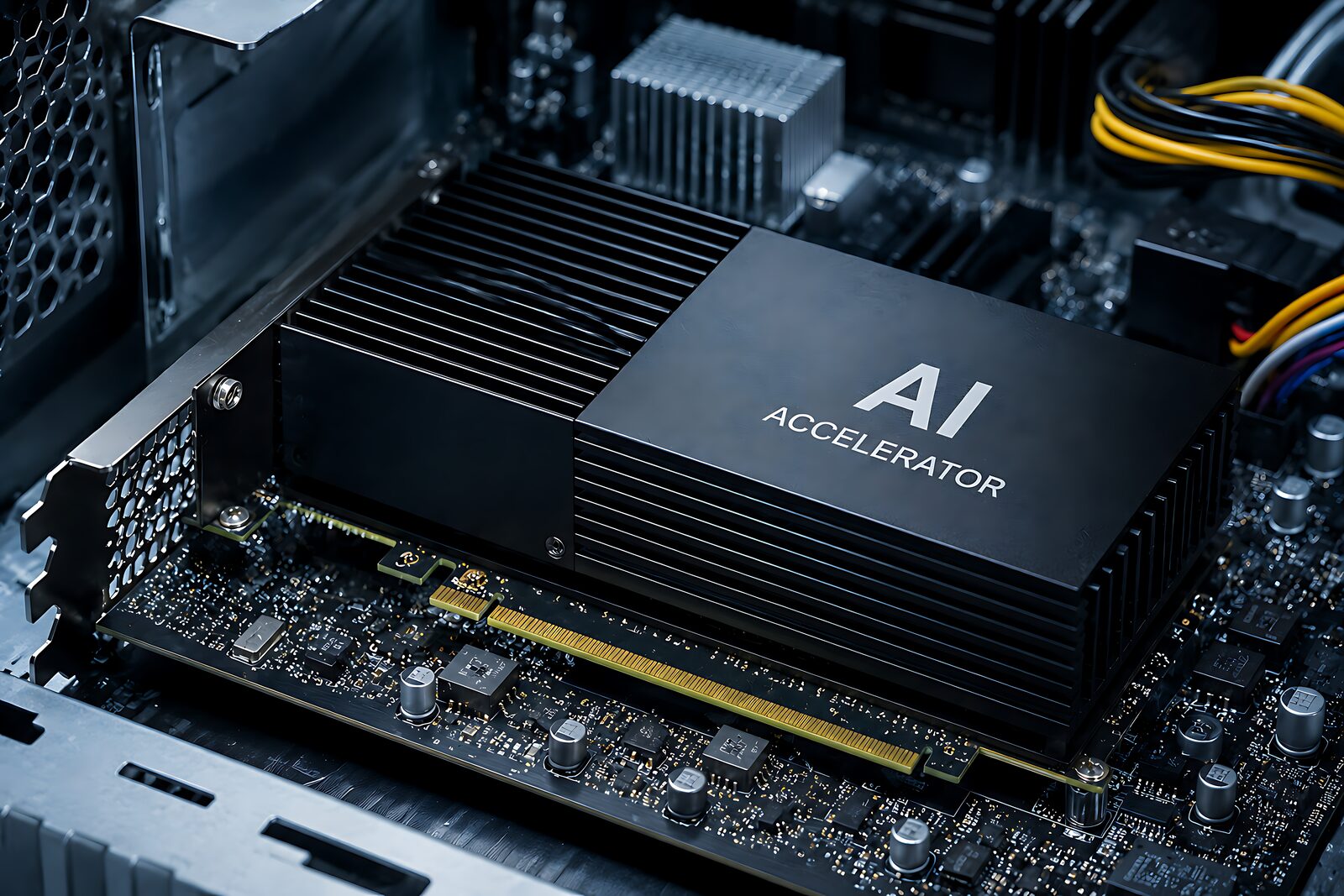
L'aspetto rivendicato con più forza è il metodo: secondo Microsoft i modelli sono stati addestrati da zero su dati puliti e con licenza, senza "distillazione" da modelli di terzi, e co-progettati insieme al chip proprietario Maia 200 per guadagnare in efficienza. L'azienda dichiara anche risultati lusinghieri nei confronti diretti con modelli rivali — affermazioni, è bene precisarlo, che vanno attribuite a Microsoft stessa e non a benchmark indipendenti.
Costruirsi modelli in casa significa ridurre la dipendenza e trattenere valore.
La cornice: la corsa dei giganti a non dipendere da nessuno
La mossa va letta nella cornice più ampia della corsa dei giganti tecnologici a controllare l'intera filiera dell'AI: modelli, dati e silicio. Dopo aver investito miliardi in partner esterni, costruirsi modelli in casa significa ridurre la dipendenza e trattenere valore. È lo stesso istinto che, nel quantum e nei chip, sta spingendo ogni grande attore a non lasciare a nessun altro le chiavi della propria tecnologia.
In sintesi Il 2 giugno Microsoft ha presentato sette modelli proprietari della famiglia MAI, addestrati da zero su dati con licenza, senza distillazione da modelli di terzi, e co-progettati con il chip Maia 200. I confronti favorevoli con i modelli rivali sono dichiarati dalla stessa Microsoft, non da benchmark indipendenti.
For years, Microsoft's artificial intelligence largely ran on an engine that was not its own. On June 2 the company changed gear, unveiling seven proprietary models in the MAI family — including MAI-Thinking-1 (reasoning), MAI-Code-1-Flash (code), MAI-Image-2.5 (images), MAI-Voice-2 (voice) and MAI-Transcribe-1.5 (transcription).
The method: training from scratch and a dedicated chip
The most strongly claimed aspect is the method: according to Microsoft the models were trained from scratch on clean, licensed data, without "distillation" from third-party models, and co-designed alongside the proprietary Maia 200 chip for efficiency gains. The company also reports flattering results in head-to-head comparisons with rival models — claims, it should be stressed, that must be attributed to Microsoft itself and not to independent benchmarks.
Building models in-house means reducing dependence and retaining value.
The frame: the giants' race to depend on no one
The move should be read within the broader frame of the tech giants' race to control the entire AI chain: models, data and silicon. After investing billions in external partners, building models in-house means reducing dependence and retaining value. It is the same instinct that, in quantum and chips, is pushing every big player not to leave the keys to its own technology in anyone else's hands.
In short On June 2 Microsoft unveiled seven proprietary models in the MAI family, trained from scratch on licensed data, without distillation from third-party models, and co-designed with the Maia 200 chip. The favorable comparisons with rival models are claimed by Microsoft itself, not by independent benchmarks.