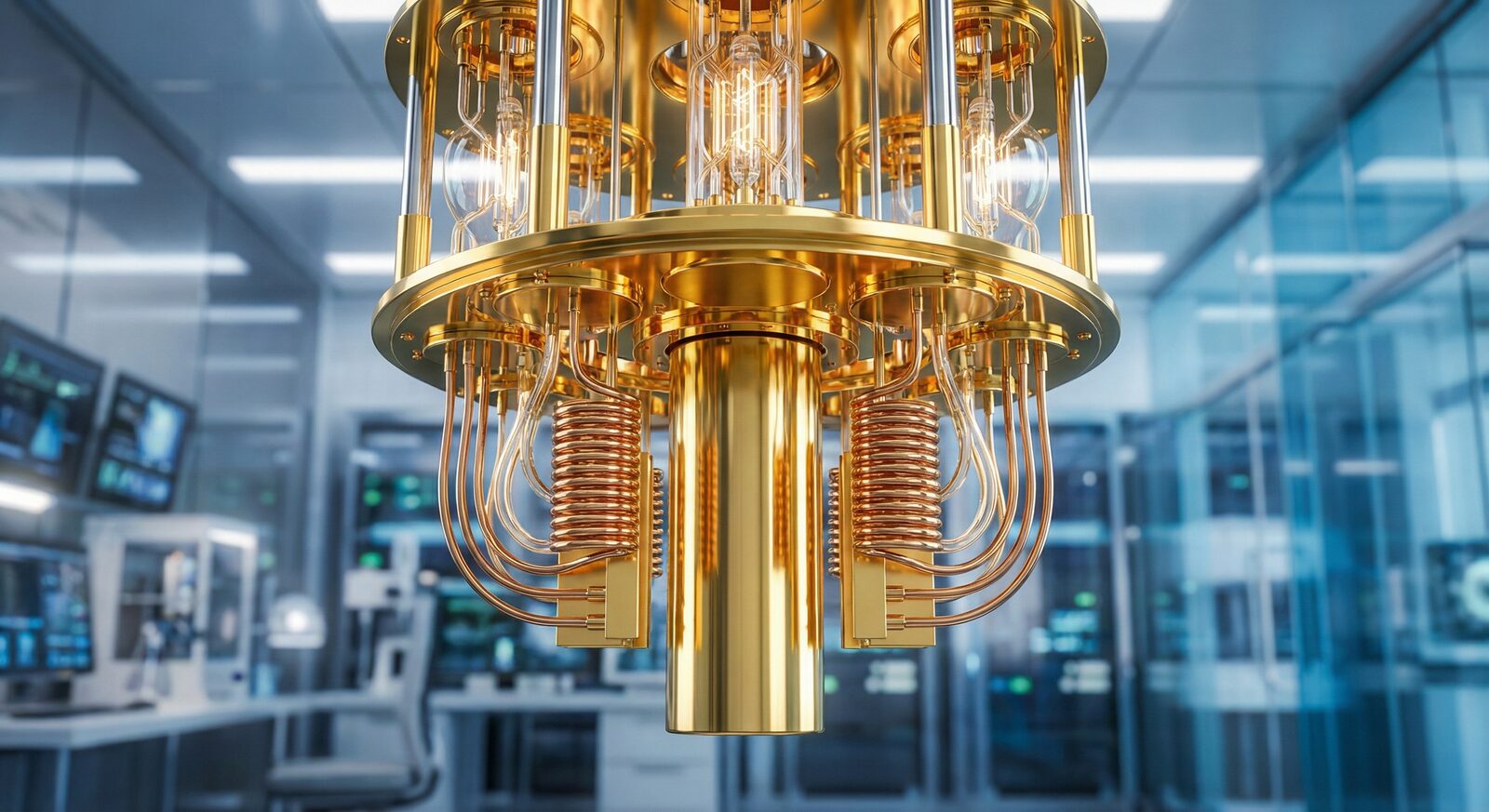
Quantum Space è il programma di approfondimento di Class CNBC dedicato al calcolo quantistico, in onda ogni martedì, condotto dal giornalista Emerick De Narda con Pierpaolo Marturano come esperto fisso e ideatore dei contenuti.
Si parla tanto di rivoluzione quantistica, ma una puntata ha messo i piedi per terra con un dato sorprendente: nel mondo ci sono forse 50-70 computer quantistici realmente accessibili, contro circa 11.000 data center classici. Un rapporto di uno a duecento. Il calcolo quantistico, oggi, è una risorsa scarsa.
Nel mondo ci sono forse 50-70 computer quantistici realmente accessibili, contro circa 11.000 data center classici: un rapporto di uno a duecento.
Quanto costa un minuto di quantum
La scarsità si riflette nei prezzi e nei modelli di accesso, tutti via cloud. I listini di IBM Quantum vanno, a seconda della formula, da circa 96 dollari al minuto (pay-as-you-go) a tariffe premium che presuppongono impegni annuali nell'ordine delle centinaia di migliaia di dollari. Su Amazon Braket si paga per "task" e per ogni singolo "shot" del calcolo.
A ciò si aggiungono code che possono durare ore e cicli di calibrazione che riducono il tempo realmente utile. Il costo, insomma, non è solo quello esposto a listino: dipende anche da quanto si attende e da quanta capacità resta effettivamente disponibile per il calcolo.
Il filtro contro il "quantum washing"
Da qui una domanda di metodo: questo problema merita il quantum? Tre criteri aiutano a rispondere — complessità intrinsecamente esponenziale, esistenza di un algoritmo quantistico con vantaggio dimostrato, valore di business che giustifichi il costo.
È il miglior antidoto al "quantum washing", l'uso del termine "quantistico" come trovata di marketing senza un vero vantaggio. La scarsità, in fondo, è anche un filtro naturale: separa i pochi problemi ad alto valore dalle promesse gonfiate. Per l'Italia, intanto, un segnale concreto è la macchina di Pasqal ospitata al CINECA, integrata con il supercomputer Leonardo.
I numeri 50-70 computer quantistici accessibili nel mondo contro circa 11.000 data center classici, un rapporto di uno a duecento; su IBM Quantum si va da circa 96 dollari al minuto in pay-as-you-go a tariffe premium con impegni annuali di centinaia di migliaia di dollari; su Amazon Braket si paga per "task" e per "shot".
Quantum Space is Class CNBC's in-depth program on quantum computing, airing every Tuesday, hosted by journalist Emerick De Narda with Pierpaolo Marturano as resident expert and content creator.
There is much talk of a quantum revolution, but one episode brought things down to earth with a surprising figure: there are perhaps 50-70 quantum computers genuinely accessible in the world, against about 11,000 classical data centers. A ratio of one to two hundred. Quantum computing, today, is a scarce resource.
There are perhaps 50-70 quantum computers genuinely accessible in the world, against about 11,000 classical data centers: a ratio of one to two hundred.
What a minute of quantum costs
The scarcity is reflected in prices and access models, all via the cloud. IBM Quantum's rates range, depending on the plan, from about $96 a minute (pay-as-you-go) to premium tariffs presupposing annual commitments on the order of hundreds of thousands of dollars. On Amazon Braket you pay per "task" and per each "shot" of the computation.
On top of this come queues that can last hours and calibration cycles that cut the genuinely useful time. The cost, in short, is not only the one shown on the price list: it also depends on how long you wait and on how much capacity actually remains available for computation.
The filter against "quantum washing"
Hence a question of method: does this problem deserve quantum? Three criteria help answer — intrinsically exponential complexity, the existence of a quantum algorithm with proven advantage, business value that justifies the cost.
It is the best antidote to "quantum washing", the use of the word "quantum" as a marketing gimmick without real advantage. Scarcity, in the end, is also a natural filter: it separates the few high-value problems from inflated promises. For Italy, meanwhile, a concrete signal is the Pasqal machine hosted at CINECA, integrated with the Leonardo supercomputer.
By the numbers 50-70 accessible quantum computers worldwide against about 11,000 classical data centers, a ratio of one to two hundred; on IBM Quantum rates run from about $96 a minute pay-as-you-go to premium tariffs with annual commitments of hundreds of thousands of dollars; on Amazon Braket you pay per "task" and per "shot".